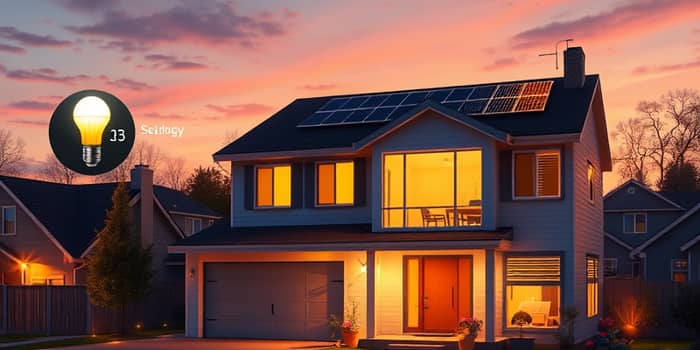
Transforming a house into a smart home can feel like a leap into the future, but the reality is that many upgrades not only enhance convenience—they pay for themselves in time. From cutting energy bills to boosting property value, the right investments deliver both comfort and financial rewards.
Breaking Down the Investment
Before diving in, it’s crucial to understand how budget levels correspond to automation scope. Whether you’re aiming for a few connected devices or a fully integrated system, potential costs vary widely. Knowing where to start helps you prioritize upgrades with the fastest returns.
- Basic smart home setup: $2,000–$5,000 for essential features in selected rooms
- Mid-range automation: $5,000–$15,000 for whole-house integration
- Luxury systems: Starting at $15,000 for custom designs and professional installation
Subscription fees and Wi-Fi upgrades may add $10–$60 monthly, so factor these into your total cost calculations.
The Thermostat Effect
A smart thermostat often represents the most impactful first step. These devices learn your schedule, adjust temperature automatically, and can be controlled remotely. Studies show they reduce heating and cooling costs by 10–23%, translating to $180–$300 in annual savings.
Installation ranges from $70 to $280, and the average payback period is just 1–2 years. ENERGY STAR certified models can yield an additional 8% reduction in climate control expenses. The combination of automated controls and occupancy sensors extends HVAC system longevity by reducing wear from unnecessary runtime.
Comprehensive Savings Overview
Smart upgrades extend beyond thermostats. Lighting, water heating, and automated window treatments all contribute to lower bills. Below is a snapshot of typical costs, savings, and ROI timelines:
Overall, a well-executed smart home can cut energy consumption by 15-30% on average, saving homeowners $300–$600 each year.
Real-World Case Studies
Research from the Pacific Northwest National Laboratory tracked 1,000 homes and found 15–20% average heating and cooling cost reductions with smart thermostats. Meanwhile, MIT’s Building Technology Program documented a 27% decrease in energy use in a multi-family residence equipped with integrated smart controls.
Homeowners in these studies also reported improved comfort and fewer service calls, thanks to predictive maintenance alerts and system optimizations.
ROI Timeline and Fast-Paying Devices
- Smart Thermostats: 1–2 years
- Smart Lighting Systems: 2–3 years
- Automated Window Treatments: 3–5 years
- Comprehensive Home Automation: 3–5 years for full payback
Enjoying noticeable savings within the first year is possible when you begin with high-impact, low-cost upgrades.
Beyond Energy Bills
Smart home upgrades also drive up resale value and reduce insurance premiums. Properties with integrated IoT devices command 3–5% higher prices—on a $350,000 home, that could mean an extra $17,500 at sale.
Security-focused smart cameras and sensors can lower homeowners’ insurance by 5–10%, further enhancing your financial gains.
Strategic Implementation and Phased Approach
Starting with the highest ROI items lets you build equity and fund later phases. A typical phased plan might look like this:
- Install a smart thermostat to tackle your biggest energy expense.
- Upgrade to smart lighting in high-traffic areas.
- Add security cameras and door sensors for discounts.
- Expand with automated blinds and smart outlets.
- Integrate with solar panels and battery storage.
This approach spreads costs over time and ensures you’re reinvesting early savings into the next upgrade.
Solar Integration Benefits
Pairing smart home systems with solar installations boosts efficiency by 15–25%. Intelligent controllers optimize battery charging and discharging, align appliance schedules with peak solar production, and reduce reliance on the grid during peak-rate hours.
Many utilities offer rebates or time-of-use incentives for combining energy storage with smart management, accelerating your payback even further.
Market Trends and Future Outlook
The global smart home market reached $149.43 billion in 2025 and is projected to exceed $630 billion by 2032—a 321% increase. As consumer demand grows, prices for sensors, controllers, and automation hubs continue to fall.
Features like geofencing, weather forecasting integration, and machine learning will become commonplace, delivering maintenance optimization through occupancy control and predictive alerts.
Room-by-Room Cost Guide
Targeting specific areas can maximize financial impact. Here’s a quick cost guide:
- Living Room: $500–$5,000 for lighting, outlets, and media integration
- Kitchen: $3,000–$15,000+ for connected appliances and energy monitors
- Bedroom/Home Office: $500–$3,000 for thermostats, outlets, and lighting
- Bathroom: $1,500–$7,500 for smart fixtures and water control
- Garage & Outdoor: $100–$2,700 for lights, security, and irrigation
Adjust budgets based on home size and priorities, and remember that DIY installation can save on labor costs but may void warranties on some devices.
Long-Term Outlook and Hidden Benefits
As adoption climbs, economies of scale will drive costs down further, while software updates unlock new features for existing hardware. Integration with smart grids may offer payments for demand response and grid-balancing services, turning your home into an active participant in the energy ecosystem.
Ultimately, smart upgrades offer more than just utility savings—they deliver peace of mind and future-ready living, making your home truly pay for itself over time.
References
- https://www.moserbaersolar.com/uncategorized/smart-home-tech-actually-saves-you-money-heres-the-real-data/
- https://www.sofi.com/learn/content/how-much-do-smart-homes-cost/
- https://www.unsustainablemagazine.com/the-true-cost-of-a-smart-home-in-2025/
- https://todayshomeowner.com/home-finances/guides/smart-home-statistics/
- https://www.rentastic.io/blog/smart-home-trends-in-real-estate-2025
- https://www.youtube.com/watch?v=Sa52_hGEN-I
- https://homeguide.com/costs/smart-home-cost
- https://www.iotforall.com/smart-homes-big-savings-the-cost-efficient-future-of-home-automation
- https://www.vivint.com/resources/article/smart-homes-2025