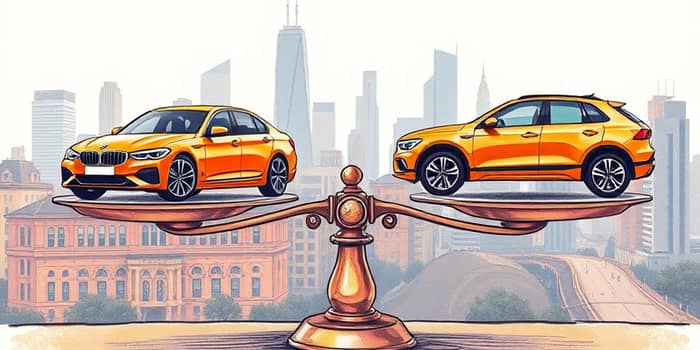
Purchasing a vehicle is one of life’s most significant financial decisions. The choice between driving off the lot in a brand-new model with pristine warranty protection and scoring a bargain on a lightly used car can feel overwhelming. To help drivers make an empowered decision, we explore depreciation trends, costs, and practical strategies for knowing when to buy new and when to buy used.
Understanding Depreciation Trends
All cars lose value over time, but the rate varies dramatically by segment, model, and market conditions. New cars typically shed about 16% of their value in the first year and around 12% in the second year, culminating in nearly 55% depreciation by year five. In 2024, average vehicle values fell by 12.5%, with forecasts pointing to a 15% decline in 2025 amid economic pressures and shifting buyer habits.
Luxury vehicles often bear the brunt of steep depreciation, with full-size vans and prestige sedans dropping close to 20% in a single year. Mainstream models, particularly small pickups and compact cars, tend to hold value better, depreciating less than 10% in year one. Electric vehicles also saw sharper declines in 2024 due to oversupply and aggressive pricing adjustments.
When Buying New Makes Sense
For some drivers, buying new offers unmatched peace of mind. Beyond gleaming aesthetics and zero mileage, new-car incentives can include zero-percent financing, cash rebates, and full factory warranties. Models redesigned within the last two years often feature cutting-edge technology and improved reliability, making them stand out as candidates for new-car purchases.
Consider vehicles with minimal first-year value loss. The Tesla Model 3, for example, depreciates only 5.5% in its first year, while mainstream favorites like select Honda and Toyota sedans often fall under 10% depreciation. These low rates mean you can access full warranty coverage and incentives without shouldering steep initial value loss.
New-car buyers should balance the benefits of modern features and warranty protection against immediate depreciation. For drivers planning to keep their vehicle under warranty and seeking the latest safety technology, the initial cost is often justified.
When Buying Used Is a Better Deal
Used-car markets offer exceptional value, especially for models that endure steep first-year losses. Luxury sedans such as the BMW 7 Series can lose over 40% of their value in twelve months. Purchasing a one-year-old 7 Series for around $61,000 versus its $109,000 new price tag represents substantial savings for a feature-filled sedan.
Lightly used vehicles—those under 13,000 miles and with complete service records—can deliver luxury features at mainstream prices. However, potential buyers must weigh lower acquisition costs against vital inspection and maintenance considerations. Luxury cars often have expensive repair bills, and some models carry poor reliability scores: the BMW 3 Series rates just 1 out of 5 in Consumer Reports reliability.
Key Factors to Guide Your Decision
- Purchase price differential between new and used
- Specific vehicle’s depreciation rate and segment trends
- Expected operating and maintenance costs
- Years of ownership planned
- Available financing rates and incentives
Evaluating these factors side by side helps clarify whether the cost savings of a used car outweigh the benefits of a new one. Buyers aiming for short-term ownership and low interest loans may lean new, while long-term owners focused on budget constraints often prefer used models.
Embracing a Smart Car Purchase Strategy
Crafting a purchase plan starts with research. Use reputable valuation tools to track depreciation history and current market values. If targeting a new car, monitor rebate offers and dealer incentives to reduce effective cost. For used buys, insist on a detailed vehicle history report and a pre-purchase inspection by a trusted mechanic.
Negotiation is your ally in both arenas. On new cars, leverage manufacturer incentives and dealer overstock situations. For used cars, identify any necessary repairs as bargaining chips to lower the price. By combining market knowledge with negotiation tactics, you can secure a fair deal that aligns with your budget and lifestyle goals.
Ultimately, the perfect car purchase balances emotional satisfaction with financial prudence. Whether you choose the security of a new vehicle or the value-driven route of a quality used car, you’ll drive with confidence knowing your decision is backed by solid data and careful planning.
References
- https://www.blackbook.com/2025-vehicle-depreciation-report-released-by-black-book-and-fitch-ratings/
- https://www.aarp.org/auto/car-buying/new-vs-used-car-depreciation/
- https://diminishedvalueofgeorgia.com/the-2025-car-value-depreciation-overview/
- https://www.kbb.com/car-depreciation/
- https://www.bodyshopmag.com/2025/news/vehicle-depreciation-rates-revealed-in-new-data/
- https://www.myfico.com/credit-education/financial-calculators/new-vs-used-vehicle-cost
- https://zutobi.com/us/driver-guides/motoring-depreciation-uk-and-us-report
- https://www.navyfederal.org/makingcents/tools/new-vs-used-car-calculator.html
- https://www.youtube.com/watch?v=VhYMxY77Oi4
- https://caredge.com/depreciation
- https://www.jalopnik.com/2032225/cars-owners-sell-within-a-year-2025-study/
- https://www.53.com/content/fifth-third/en/personal-banking/planning/financial-calculators/66-new-vs-used-vehicle-calculator.html
- https://caredge.com/ranks/depreciation
- https://www.visualcapitalist.com/ranked-cars-with-the-best-resale-value-in-2025/
- https://www.whatcar.com/best/the-10-slowest-depreciating-cars/n17098